
The Real Impact of Fuel Costs on Construction Businesses
Fuel prices don’t just hit contractors at the pump—they ripple through nearly every part of a construction business. From job costs to project timelines, Fuel plays a critical role in profitability and planning.
Here’s how it plays out in the real world.
1. Direct Job Cost Increases
Fuel Drives Daily Operations
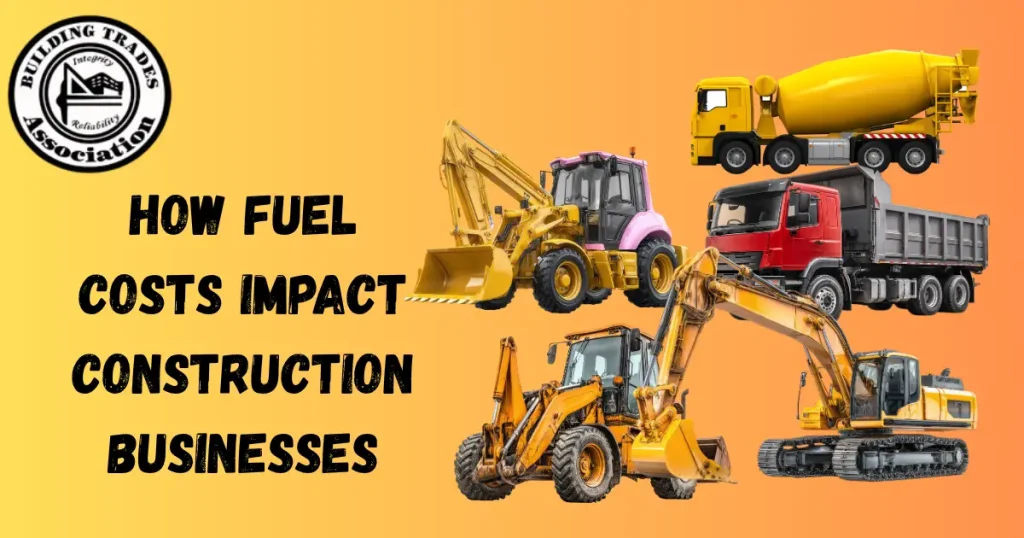
Fuel is built into almost every job, including:
- Heavy equipment (excavators, loaders, generators)
- Fleet vehicles (trucks, vans)
- Deliveries and hauling
When Fuel prices rise—especially gasoline and diesel—your cost per job increases immediately, often without warning. If your bids didn’t account for this, profit margins shrink quickly.
2. Material Price Inflation
Transportation Costs Get Passed Down
Higher Fuel costs increase transportation expenses for materials such as:
- Lumber
- Steel
- Concrete
- Roofing supplies
Even when base material prices appear stable, suppliers often add freight surcharges, quietly increasing your total cost.
3. Subcontractor Price Increases
Fuel Impacts Every Trade
Subcontractors face the same pressure:
- Electricians, plumbers, and HVAC crews travel daily
- Many adjust pricing or add Fuel surcharges
This raises overall project costs, especially for multi-trade jobs.
4. Longer Project Timelines
Efficiency Drops When Fuel Costs Rise
When Fuel is expensive:
- Suppliers consolidate deliveries, slowing turnaround times
- Crews reduce travel or combine trips
This can extend timelines, increasing:
- Labor costs
- Equipment rental duration
- Overhead expenses
5. Bid Accuracy & Risk Increase
Fuel Volatility Complicates Estimating
Fluctuating Fuel prices make estimating more difficult:
- A job bid today may become unprofitable in 60–90 days
- Fixed-price contracts carry higher risk
Contractors who fail to adjust often face margin compression.
6. Reduced Customer Demand (Indirect Impact)
Fuel Signals Broader Economic Pressure
High Fuel prices often reflect wider inflation:
- Homeowners delay renovations
- Developers pause projects
- Financing becomes tighter
As costs rise, demand can shrink—impacting your project pipeline.
7. Insurance & Operating Costs (Hidden Effects)
Fuel Influences Long-Term Expenses
Fuel costs also affect:
- Replacement costs for vehicles and equipment
- Claim costs, which can influence insurance premiums
These impacts are subtle but often appear during policy renewals.
What Smart Contractors Do About Fuel Costs
1. Add Fuel Escalation Clauses
Protects against sudden Fuel price increases on long-term projects.
2. Shorten Bid Validity Windows
Use shorter timelines (e.g., 7–14 days instead of 30–60 days).
3. Build Fuel Buffers into Estimates
Include a small percentage buffer for labor and logistics.
4. Lock in Supplier Pricing
Secure pricing early or negotiate bulk delivery rates.
5. Optimize Routing & Scheduling
Reduce trips and improve logistics efficiency.
6. Invest in Fuel Efficiency
Use fuel-efficient equipment or telematics to lower long-term exposure.
Bottom Line
Fuel impacts construction in three critical ways:
Immediate costs → Higher job pricing → Reduced demand
Contractors who treat Fuel as a controllable cost—rather than just an expense—are far better positioned to protect their margins and stay competitive.